Maha Shivratri
1 min read
Share
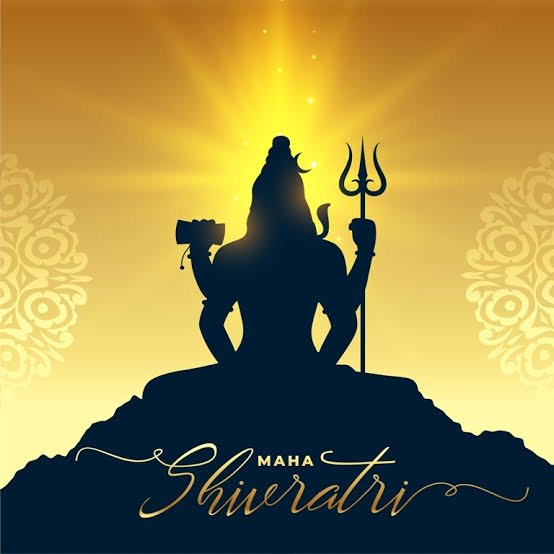
Maha Shivaratri (translating literally to “the Great Night of Shiva”) is one of the most significant and sacred festivals in Hinduism, celebrated annually in honour of Lord Shiva. Occurring on the 14th day of the dark fortnight (Krishna Paksha) in the Hindu month of Phalguna or Magha (typically falling in February or March), the festival symbolizes the conquest of light over darkness and ignorance
🔱 Key Mythological Origins
Devotees commemorate several profound legends from the Puranas on this night: [1]
- The Divine Marriage: It celebrates the celestial wedding night of Lord Shiva and Goddess Parvati, representing the perfect union of consciousness (Shiva) and energy or devotion (Parvati). [1]
- The Manifestation of the Lingam (Lingodbhava): According to the Shiva Purana, this is the night Shiva manifested as a cosmic, infinite pillar of light (Jyotirlinga) to settle a dispute of supremacy between Brahma and Vishnu. [1, 2, 3]
- The Cosmic Dance (Ananda Tandava): It marks the night when Lord Shiva, as Nataraja (the Lord of Dance), performed his divine dance of creation, preservation, and destruction. [1, 2]
- Swallowing the Poison (Neelkanth): Legend holds that during the churning of the cosmic ocean (Samudra Manthana), Shiva consumed the deadly Halahala poison to protect the universe, turning his throat blue