
D11 – Asian Games: History, Sports, Events and India’s Complete Medal Journey
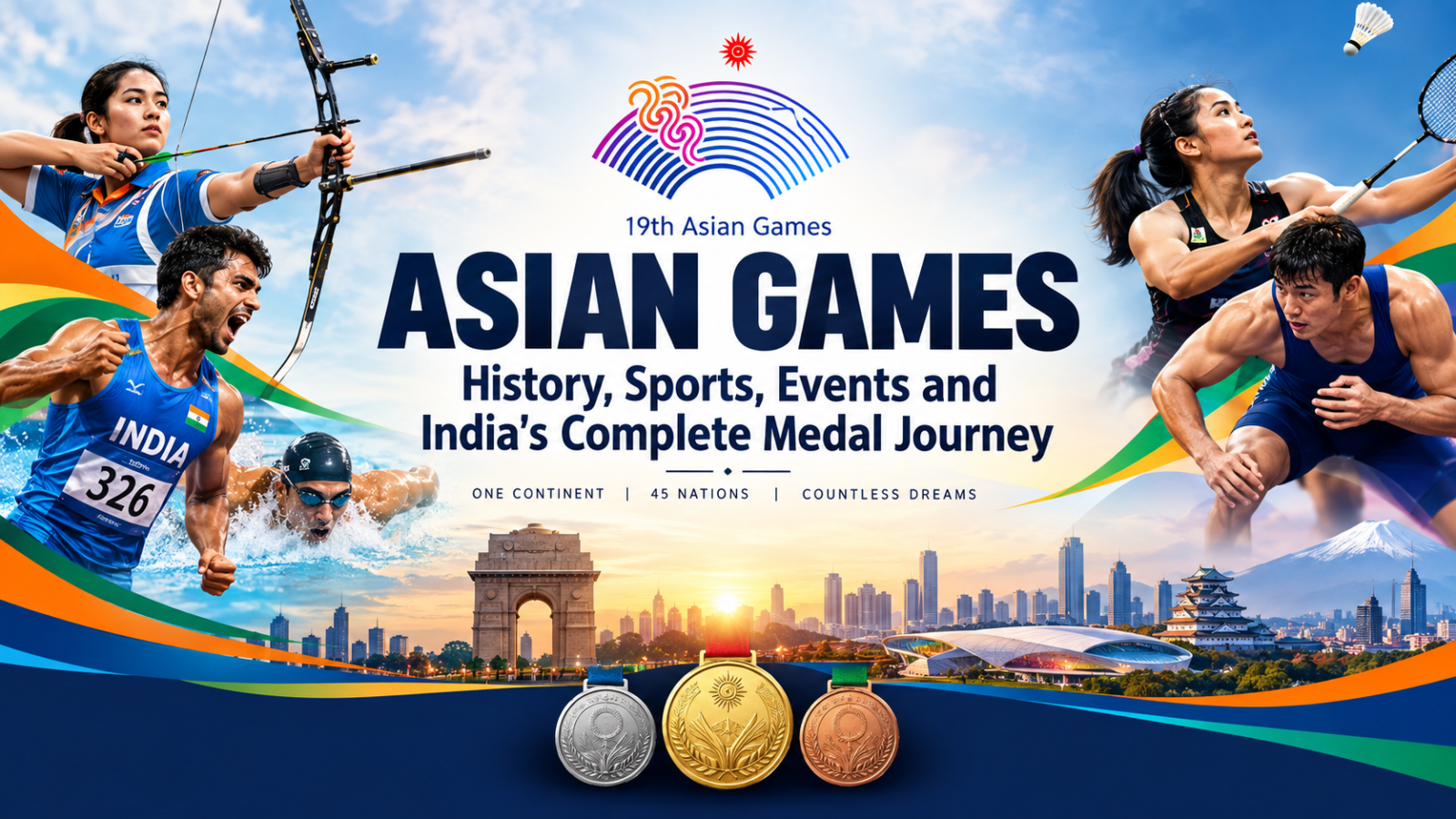
From New Delhi in 1951 to the Modern Asian Games
The Asian Games have grown from a modest six-sport competition in New Delhi into one of the world’s largest multi-sport sporting events. Over more than seven decades, the Games have brought together athletes from across Asia, producing memorable sporting performances, emerging champions and historic milestones.
Known popularly as the Asiad, the Asian Games are organised under the authority of the Olympic Council of Asia (OCA). The first edition was held in New Delhi, India, from March 4 to 11, 1951.
The inaugural Games featured 11 countries, six sports and 57 events. More than seven decades later, the scale is dramatically different. The most recent completed edition, the 19th Asian Games in Hangzhou, featured 40 sports, 61 disciplines and 482 events, with athletes representing 45 National Olympic Committees.
The 20th Asian Games in Aichi-Nagoya, Japan, are being held from September 19 to October 4, 2026, featuring 43 sports and 469 medal events.
How the Asian Games Began
The idea of a major sporting festival for Asian nations emerged in the years following the Second World War. Earlier regional sporting competitions had already demonstrated the possibility of bringing athletes from different Asian countries together, but there was growing interest in creating a permanent continental multi-sport event.
India played an important role in the early development of this idea. The Asian Games Federation was established, and New Delhi was selected to host the first Asian Games.
The historic opening of the Games in 1951 marked a new chapter in Asian sport.
At the time, the competition was considerably smaller than today’s Games. Athletes competed in just six sports, but the significance of the event was far greater than the numbers suggested. It established a continental sporting tradition that would continue for generations.
The Evolution of the Asian Games
The Asian Games expanded steadily as more countries participated and new sports were added to the programme.
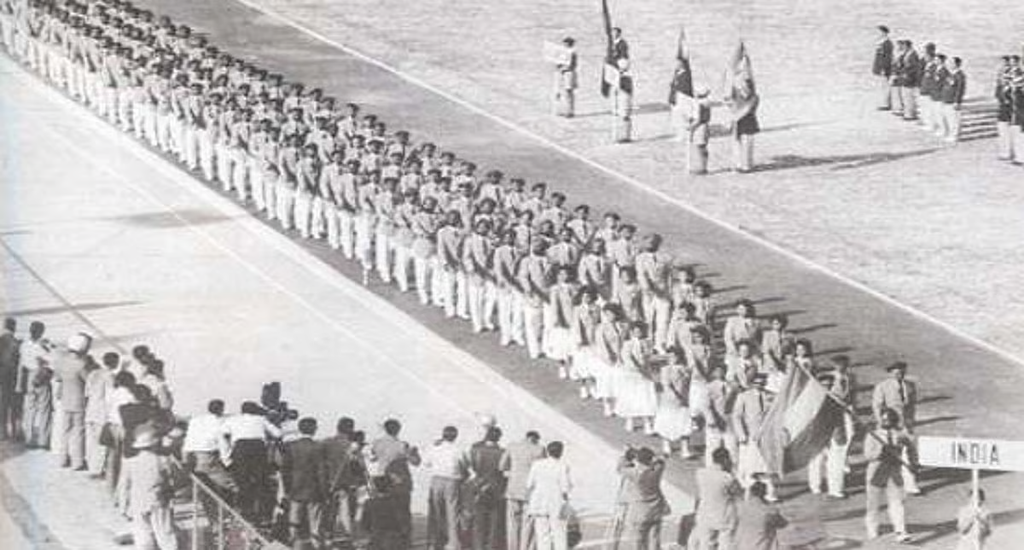
1951 – New Delhi, India
The first Asian Games were held in New Delhi.
The competition featured:
- 11 participating countries
- 6 sports
- 57 events
India, as the host nation, enjoyed a particularly successful campaign, winning 15 gold, 16 silver and 20 bronze medals, for a total of 51 medals.
1954 – Manila, Philippines
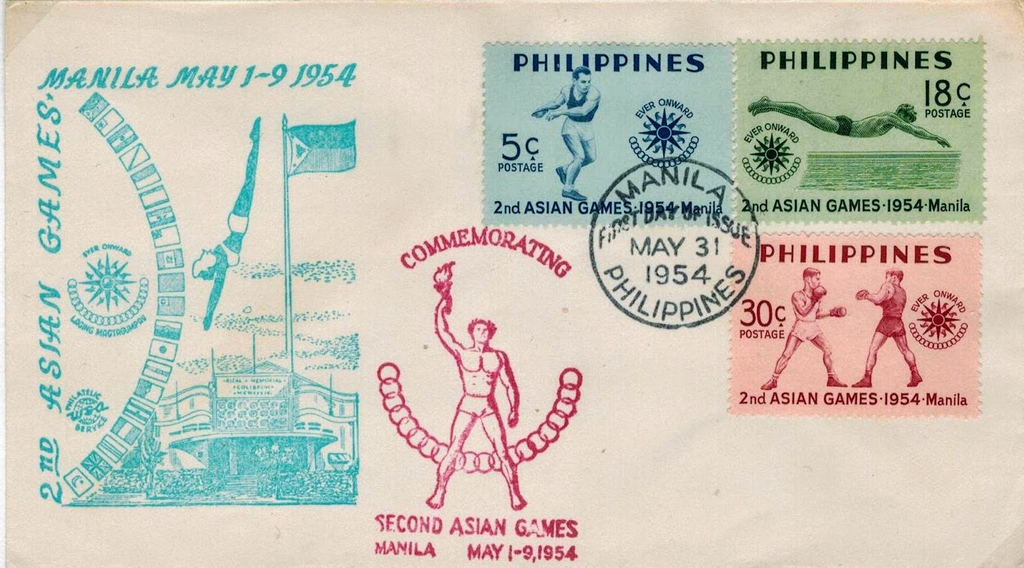
The second edition took place in Manila.
The number of sports increased to eight, and the Games continued establishing themselves as Asia’s major multi-sport competition.
India won:
- 5 gold
- 4 silver
- 8 bronze
Total: 17 medals
1958 – Tokyo, Japan
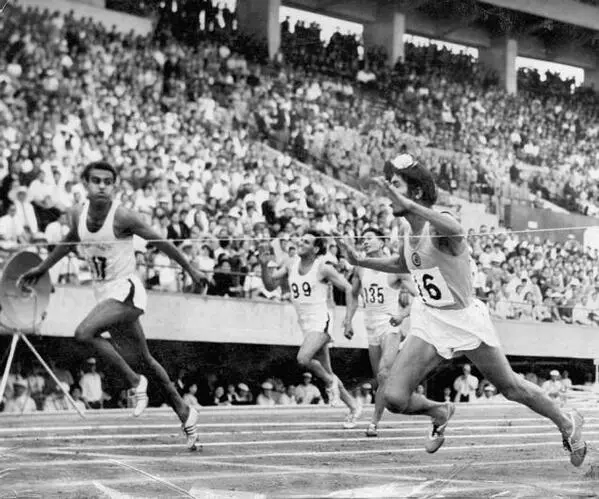
Tokyo hosted the third Asian Games in 1958.
The Games expanded to 13 sports and 97 events.
India won 5 gold, 4 silver and 4 bronze medals.
This edition also became important in India’s athletics history, with Milkha Singh winning two gold medals.
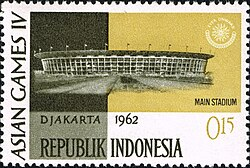
1962 – Jakarta, Indonesia
The fourth Asian Games were held in Jakarta.
The programme contained 13 sports and 88 events.
India produced a strong performance, winning:
- 10 gold
- 13 silver
- 10 bronze
Total: 33 medals
Milkha Singh added two more Asian Games gold medals to his record, taking his career total to four.
1966 – Bangkok, Thailand
Bangkok hosted the fifth edition.
The Games expanded to 14 sports and 143 events.
India won:
- 7 gold
- 3 silver
- 11 bronze
Total: 21 medals
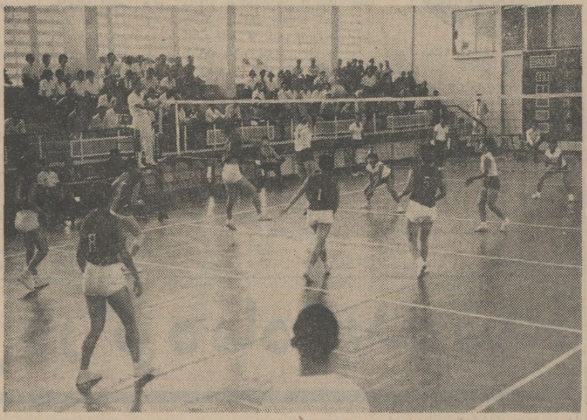
1970 – Bangkok, Thailand
Bangkok hosted the Games again in 1970.
The sixth edition featured 13 sports and 135 events.
India’s medal haul was:
- 6 gold
- 9 silver
- 10 bronze
Total: 25 medals
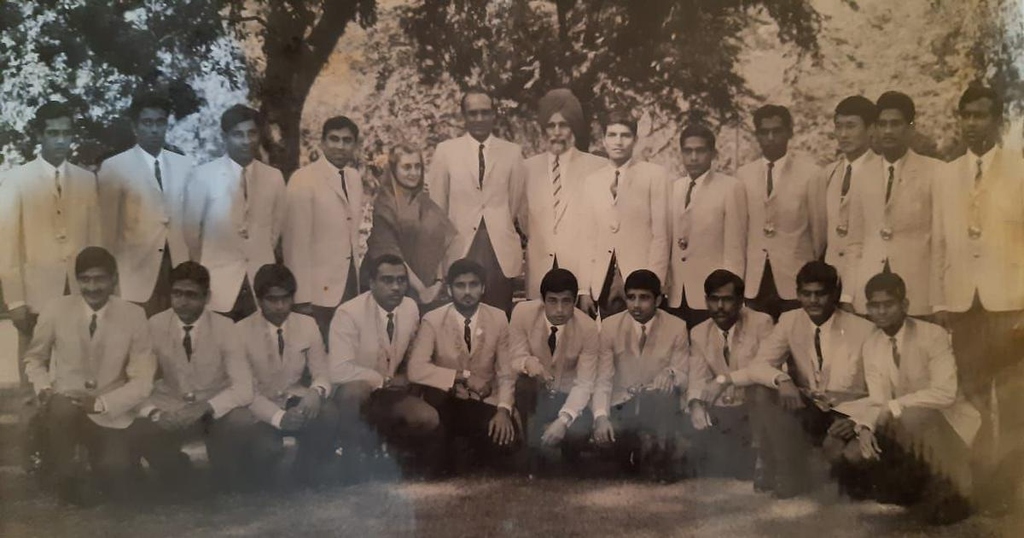
1974 – Tehran, Iran
The seventh Asian Games represented another significant expansion.
The programme reached 16 sports and 200 events.
India won:
- 4 gold
- 12 silver
- 12 bronze
Total: 28 medals
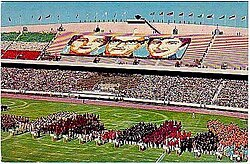
1978 – Bangkok, Thailand
Bangkok became the first city to host the Asian Games three times.
The 1978 edition featured 19 sports and 201 events.
India won:
- 11 gold
- 11 silver
- 6 bronze
Total: 28 medals
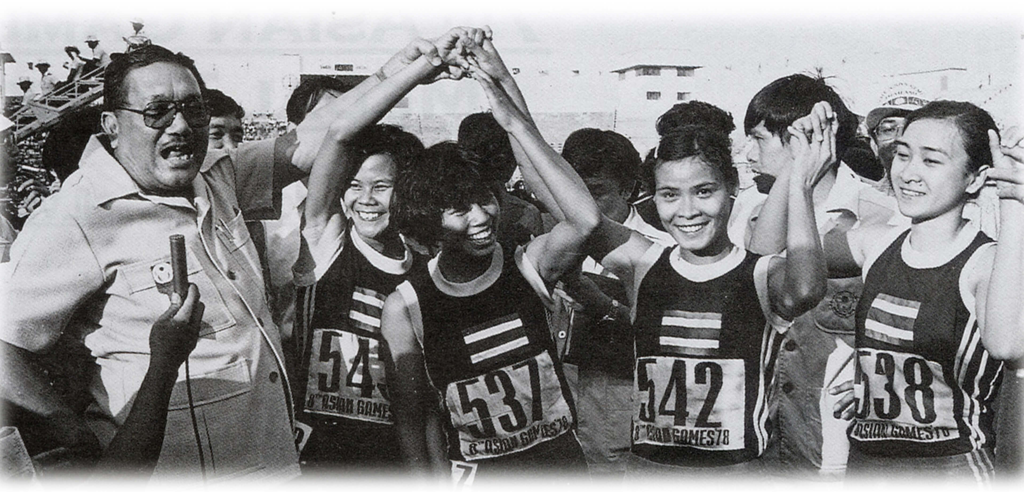
1982: The Asian Games Return to New Delhi
In 1982, India hosted the Asian Games for the second time.
The 1982 New Delhi Asian Games were an important moment in India’s sporting history and were held with a significantly larger programme than the inaugural Games three decades earlier.
There were:
- 21 sports
- 147 events
India won:
- 13 gold
- 19 silver
- 25 bronze
Total: 57 medals
The Games also helped strengthen India’s sporting infrastructure and introduced a new generation of Indian audiences to large-scale international sporting competition.
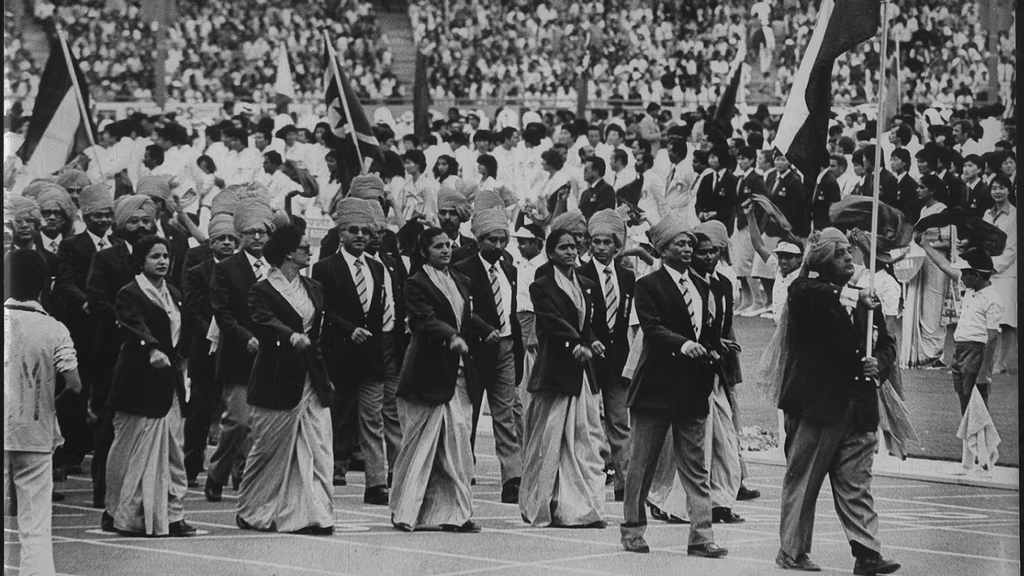
The Asian Games Enter a New Era
The Games continued to grow rapidly during the 1980s and 1990s.
1986 – Seoul, South Korea
The Seoul Asian Games featured 25 sports and 270 events.
India won:
- 5 gold
- 9 silver
- 23 bronze
Total: 37 medals
![Walking Through Seoul] Seoul 1986: Reflecting on 40 Years of Unfading Vitality - The Asia Business Daily](https://cphoto.asiae.co.kr/listimglink/1/2026033013171495704_1774844234.jpg)
1990 – Beijing, China
The 1990 Games featured 29 sports and 310 events.
India won:
- 1 gold
- 8 silver
- 14 bronze
Total: 23 medals
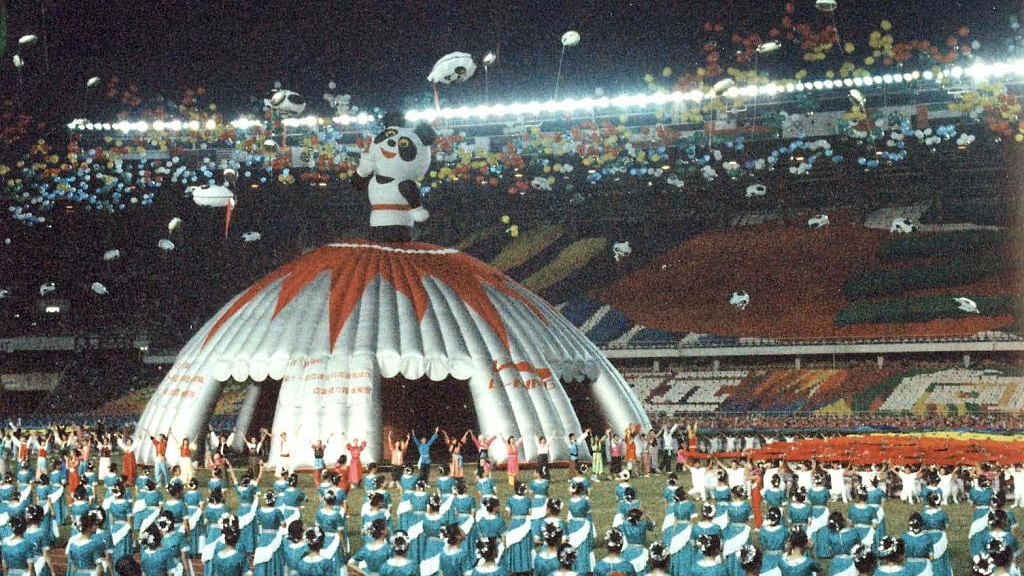
1994 – Hiroshima, Japan
The Hiroshima Asian Games expanded further to 34 sports and 337 events.
India won:
- 4 gold
- 3 silver
- 16 bronze
Total: 23 medals
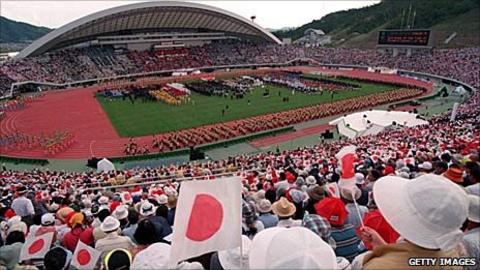
1998 – Bangkok, Thailand
Bangkok hosted the Games for a record fourth time.
The programme contained 36 sports and 376 events.
India won:
- 7 gold
- 11 silver
- 17 bronze
Total: 35 medals
The Asian Games in the 21st Century
The beginning of the 21st century brought another major expansion of the Asian Games.
2002 – Busan, South Korea
The Busan Games featured 38 sports and 419 events.
India won:
- 11 gold
- 12 silver
- 13 bronze
Total: 36 medals
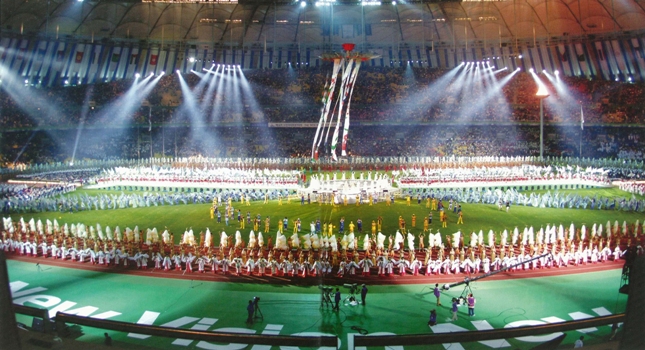
2006 – Doha, Qatar
Doha hosted the Games with 39 sports and 424 events.
India won:
- 10 gold
- 17 silver
- 26 bronze
Total: 53 medals

2010 – Guangzhou, China
The Guangzhou Asian Games were among the largest editions at that point.
There were:
- 42 sports
- 476 events
India won:
- 14 gold
- 17 silver
- 34 bronze
Total: 65 medals
2014 – Incheon, South Korea
The Incheon Games featured 36 sports and 439 events.
India won:
- 11 gold
- 9 silver
- 37 bronze
Total: 57 medals

2018 – Jakarta–Palembang, Indonesia
The 2018 Asian Games featured 40 sports and 462 events.
India won:
- 16 gold
- 23 silver
- 31 bronze
Total: 70 medals
This was India’s best overall medal performance at an Asian Games at that time.
Hangzhou 2022: India’s Record-Breaking Asian Games
The 19th Asian Games were officially named the Hangzhou 2022 Asian Games, although they were held in 2023 after being postponed.
Hangzhou hosted the Games with:
- 40 sports
- 61 disciplines
- 482 events
- 45 National Olympic Committees
For India, the Games became a historic milestone.
India won:
28 Gold
38 Silver
41 Bronze
Total: 107 Medals
The 107-medal haul was India’s highest total in Asian Games history at the time.
India finished fourth in the overall medal table.
The performance also reflected India’s increasing strength across a wider range of sports. Indian athletes won medals in athletics, shooting, archery, wrestling, boxing, badminton, kabaddi and several other disciplines.
Archer Jyothi Surekha Vennam was among India’s standout performers, winning three gold medals at Hangzhou.
India’s Complete Asian Games Medal Tally
The following table presents India’s medal performance at every completed Asian Games edition.
| Year | Host | Gold | Silver | Bronze | Total |
|---|---|---|---|---|---|
| 1951 | New Delhi, India | 15 | 16 | 20 | 51 |
| 1954 | Manila, Philippines | 5 | 4 | 8 | 17 |
| 1958 | Tokyo, Japan | 5 | 4 | 4 | 13 |
| 1962 | Jakarta, Indonesia | 10 | 13 | 10 | 33 |
| 1966 | Bangkok, Thailand | 7 | 3 | 11 | 21 |
| 1970 | Bangkok, Thailand | 6 | 9 | 10 | 25 |
| 1974 | Tehran, Iran | 4 | 12 | 12 | 28 |
| 1978 | Bangkok, Thailand | 11 | 11 | 6 | 28 |
| 1982 | New Delhi, India | 13 | 19 | 25 | 57 |
| 1986 | Seoul, South Korea | 5 | 9 | 23 | 37 |
| 1990 | Beijing, China | 1 | 8 | 14 | 23 |
| 1994 | Hiroshima, Japan | 4 | 3 | 16 | 23 |
| 1998 | Bangkok, Thailand | 7 | 11 | 17 | 35 |
| 2002 | Busan, South Korea | 11 | 12 | 13 | 36 |
| 2006 | Doha, Qatar | 10 | 17 | 26 | 53 |
| 2010 | Guangzhou, China | 14 | 17 | 34 | 65 |
| 2014 | Incheon, South Korea | 11 | 9 | 37 | 57 |
| 2018 | Jakarta–Palembang, Indonesia | 16 | 23 | 31 | 70 |
| 2022* | Hangzhou, China | 28 | 38 | 41 | 107 |
| 2026 | Aichi–Nagoya, Japan | Ongoing | Ongoing | Ongoing | Ongoing |
The Hangzhou Games were officially the 2022 Asian Games but were held in 2023.
According to the commonly cited all-edition tally through Hangzhou, India had won 183 gold, 238 silver and 357 bronze medals, giving it 778 medals in total.
India’s Asian Games Sporting Legends
The Asian Games have provided the stage for some of India’s most memorable sporting performances.
Milkha Singh
Few Indian athletes have left as significant a mark on the Asian Games as Milkha Singh.
The legendary sprinter won:
- 2 gold medals at the 1958 Tokyo Asian Games
- 2 gold medals at the 1962 Jakarta Asian Games
His four Asian Games gold medals made him one of India’s most celebrated athletes of the early Asian Games era.
P. T. Usha
Another landmark figure in India’s Asian Games history is P. T. Usha.
Across four Asian Games between 1982 and 1994, Usha won:
- 4 gold medals
- 7 silver medals
Her 11-medal Asian Games record remains one of the notable achievements in Indian athletics.
Which Sports Have Featured in the Asian Games?
One of the defining characteristics of the Asian Games is the diversity of its sporting programme.
Depending on the edition, athletes have competed in sports such as:
- Athletics
- Aquatics
- Archery
- Badminton
- Basketball
- Boxing
- Canoeing
- Cycling
- Equestrian
- Fencing
- Football
- Golf
- Gymnastics
- Handball
- Hockey
- Judo
- Kabaddi
- Karate
- Modern pentathlon
- Rowing
- Rugby
- Sailing
- Sepaktakraw
- Shooting
- Soft tennis
- Squash
- Table tennis
- Taekwondo
- Tennis
- Triathlon
- Volleyball
- Weightlifting
- Wrestling
- Wushu
Other editions have also included sports such as cricket, chess, bridge, esports, roller sports, baseball/softball and dragon boat racing.
The programme is not fixed permanently. The host edition and the Olympic Council of Asia determine which sports and disciplines are included.
2026 Aichi-Nagoya Asian Games
The 20th Asian Games are taking place in Aichi-Nagoya, Japan, from September 19 to October 4, 2026.
The 2026 programme contains:
- 43 sports
- 469 medal events
The programme includes several newer or returning sports, including mixed martial arts, padel, surfing, virtual taekwondo and teqball.
Because the 2026 Games are still underway as of September 23, 2026, their final medal table cannot yet be included as a completed historical result.
The final Indian medal tally for 2026 will only be known after the Games conclude on October 4.

From Six Sports to a Continental Sporting Giant
The story of the Asian Games is ultimately a story of expansion.
In 1951, 11 countries came to New Delhi and competed in six sports.
More than seven decades later, the Asian Games have become a huge continental sporting festival involving thousands of athletes and hundreds of medal events.
The growth can be seen clearly in the numbers:
| Edition | Year | Host | Sports | Events |
|---|---|---|---|---|
| 1st | 1951 | New Delhi | 6 | 57 |
| 2nd | 1954 | Manila | 8 | 76 |
| 3rd | 1958 | Tokyo | 13 | 97 |
| 4th | 1962 | Jakarta | 13 | 88 |
| 5th | 1966 | Bangkok | 14 | 143 |
| 6th | 1970 | Bangkok | 13 | 135 |
| 7th | 1974 | Tehran | 16 | 200 |
| 8th | 1978 | Bangkok | 19 | 201 |
| 9th | 1982 | New Delhi | 21 | 147 |
| 10th | 1986 | Seoul | 25 | 270 |
| 11th | 1990 | Beijing | 29 | 310 |
| 12th | 1994 | Hiroshima | 34 | 337 |
| 13th | 1998 | Bangkok | 36 | 376 |
| 14th | 2002 | Busan | 38 | 419 |
| 15th | 2006 | Doha | 39 | 424 |
| 16th | 2010 | Guangzhou | 42 | 476 |
| 17th | 2014 | Incheon | 36 | 439 |
| 18th | 2018 | Jakarta–Palembang | 40 | 462 |
| 19th | 2023* | Hangzhou | 40 | 482 |
| 20th | 2026 | Aichi–Nagoya | 43 | 469 |
The Asian Games and India’s Sporting Journey
For India, the Asian Games have been more than a medal competition. They have provided generations of Indian athletes with an international stage on which to establish themselves.
The journey began with India’s strong showing at the inaugural Games in New Delhi. It continued through the golden years of athletes such as Milkha Singh and P. T. Usha and into the modern era, where Indian competitors have become increasingly prominent in sports such as shooting, wrestling, boxing, badminton and archery.
The numbers tell part of that story.
India won 51 medals at the inaugural Games in 1951. After several decades of fluctuating results, the country’s total reached 70 medals in 2018 and then crossed the 100-medal mark for the first time at Hangzhou, with 107 medals in 2023.
The Hangzhou performance therefore marked an important statistical milestone in India’s Asian Games history.
Asian Games: A Legacy That Continues
From the stadiums of New Delhi in 1951 to the modern sporting infrastructure of Aichi-Nagoya in 2026, the Asian Games have undergone a remarkable transformation.
The competition has expanded in size, the number of participating nations and athletes has increased, and the range of sports has continually evolved.
For Indian sport, the Games have provided a recurring opportunity to measure progress against the best athletes in the continent.
The first chapter was written in New Delhi in 1951.
More than seventy years later, the story is still being written.
And with the 2026 Aichi-Nagoya Asian Games currently underway, India’s next chapter in the long history of the Asian Games is not yet complete.
